Modular Solution for Cosmetics Compliance
Check the Conformity of your Formulas
Secure your regulatory documents for each zone
Optimize on-site risk management
Manage your Safety Data Sheets efficiently
Automate your regulatory monitoring
Ensure the traceability of your substances
Maintain good HSE risk management
The European Commission proposes to extend the obligations of the PIC Regulation by adding new substances subject to notification or prohibited from export starting October 2026.
Recevez une fois par mois les dernières actus réglementaires et conseils d’experts.
National authorities are conducting controls on chromates to ensure compliance with REACH authorisation. Learn about the results of past inspections and the scope of the upcoming wave of controls.
Budgeting for REACH Authorisation is a complex and time-consuming process involving various technical skills. This blog discusses the direct and indirect costs involved in preparing an application, as well as the importance of high-quality dossiers for obtaining the desired authorisation period.
Regulations on preservatives in cosmetics may be getting stricter in Sweden and the EU. The Swedish EPA and NGO ChemSec are pushing for bans on certain substances to protect public health and the environment. Learn more about the potential changes in the industry.
The Department of Toxic Substances Control (DTSC) aims to protect consumers and the environment by identifying hazardous substances and creating a regulatory framework to mitigate risks. The initiative emphasizes transparency and stakeholder consultation, similar to REACH.
Learn about the issues surrounding animal testing in the REACH regulation and how companies can comply without using animals. Discover alternative testing methods approved by REACH and how to avoid animal testing for REACH 2018 registrations.
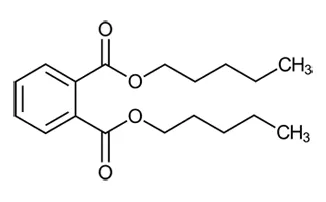
Learn about the identity and hazard classification of Dipentylphthalate, a substance hazardous to aquatic life and health. Find out key regulatory information and get advice on succeeding in your authorization application. Start creating your dossier now to meet the submission deadline.