Modular Solution for Cosmetics Compliance
Check the Conformity of your Formulas
Secure your regulatory documents for each zone
Optimize on-site risk management
Manage your Safety Data Sheets efficiently
Automate your regulatory monitoring
Ensure the traceability of your substances
Maintain good HSE risk management
Avoir effectué une notification PCN ne signifie pas nécessairement avoir rempli toutes ses obligations nationales. Découvrez dans cet article tout ce qu'il faut savoir pour avoir une déclaration PCN réussie !
Recevez une fois par mois les dernières actus réglementaires et conseils d’experts.
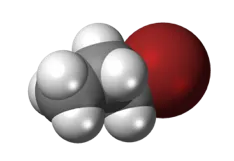
Learn about the identity and hazard classification of 1-bromopropane, its inclusion in Annex XIV of REACH, and get advice on succeeding in your authorization application. Start your dossier creation now to meet the submission deadline.
This blog discusses the European regulation impacting importers, smelters, and refiners of minerals and metals from conflict-affected areas. It outlines compliance steps, approved supplier lists, and the need for a supply chain management system by January 2021. The European Commission will provide guides for compliance.
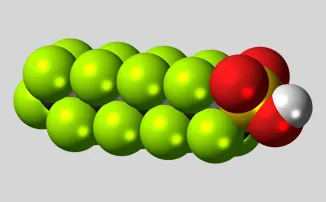
PFHxS and Bisphenol A were added to the Candidate List due to their harmful properties. Companies must comply with communication obligations and notify ECHA if using these substances. Learn more about SVHCs and your obligations.
ECHA conducted two waves of checks on REACH registration dossiers in 2016, resulting in revocations and updates. They also focused on joint registration obligations and plan to help small companies navigate the process.
REACH authorisation regulates the use of hazardous substances, requiring companies to seek temporary authorisation for continued use while encouraging the search for safer alternatives. Criticisms highlight the need for more focus on substitution to foster innovation and reduce risks.
Explore the BPC's work programme detailing active substances under assessment, including Margosa extract and Fludioxonil. Learn about their uses, safety evaluations, and the ongoing evaluation of substances like Cypermethrin and MIT. Visit ECHA's website for more information.